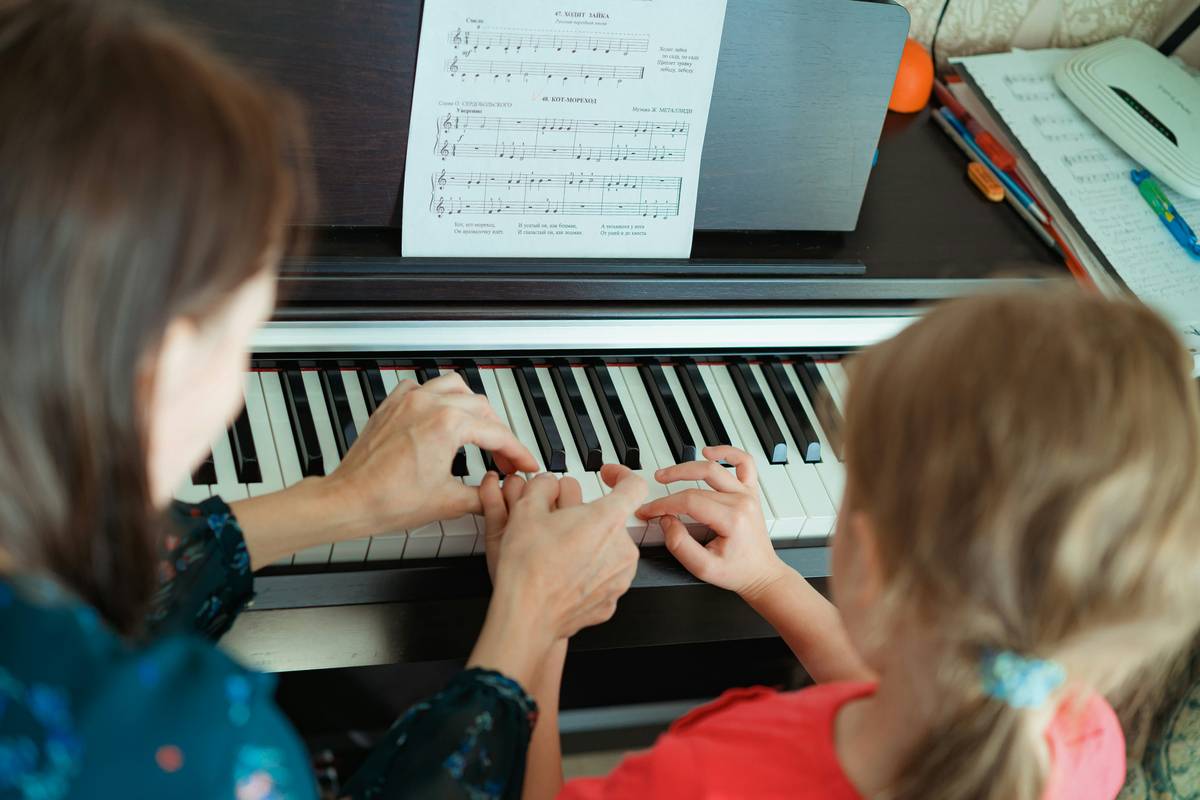
Ever sat at a piano, fingers hovering over the keys, paralyzed by the fear of playing the wrong note? You’re not alone. Many adults and parents diving into piano lessons for beginners assume talent is required—only to discover that, with the right approach, consistent effort trumps innate ability every time. Enter the Suzuki Piano Method: a globally respected, ear-first philosophy rooted in how children naturally learn language. In this guide, we’ll cut through the noise of online education overload and deliver actionable, experience-backed strategies to help you or your child thrive—not just survive—in Suzuki piano learning.
Table of Contents
- Why the Suzuki Approach Resonates in Online Education
- Your Step-by-Step Launch Plan
- 5 Best Practices for Lasting Progress
- Real Results from Real Students
- Frequently Asked Questions
Key Takeaways
- The Suzuki Piano Method emphasizes listening, repetition, and parental involvement—mirroring natural language acquisition.
- Starting slow with posture and tone builds lifelong technical confidence.
- Daily listening to reference recordings is non-negotiable for ear training.
- Avoid the “just play the notes” trap—it kills musicality early.
- Patience and consistency beat rushed progress every time.
Why the Suzuki Approach Resonates in Online Education
In today’s saturated landscape of pre-recorded tutorials and AI-generated sheet music, the Suzuki Piano Method stands out by prioritizing human development over mechanical skill. Developed by Shinichi Suzuki in mid-20th century Japan, the method rests on the belief that “every child can”—a principle now backed by neuroscience showing that auditory immersion accelerates neural pathways for musical memory (NPR, 2014).
I learned this the hard way. Early in my teaching career, I handed a beginner student Book 1 and said, “Start with Twinkle.” No listening. No posture check. Just notes. Two weeks later, he was banging keys with collapsed knuckles, frustrated and ready to quit. It wasn’t his fault—it was mine for skipping Suzuki’s foundational rituals.

Your Step-by-Step Launch Plan
1. Secure a Qualified Teacher (Even Online)
Not all virtual instructors are trained in the Suzuki philosophy. Look for teachers certified by the Suzuki Association of the Americas. Certification ensures they understand the method’s core tenets: review, repetition, and loving encouragement—not performance pressure.
2. Set Up a Listening Routine
Before touching a key, listen daily to the official Suzuki Piano School recordings. This isn’t passive background noise—it’s active ear training. Aim for 15–20 minutes per day, same as vocabulary drills in language learning.
3. Master Posture Before Playing
Sit tall, feet flat, elbows slightly above keyboard level. Practice “hand tents” (fingers curved like holding a small ball) away from the piano first. Bad posture leads to tension—which leads to quitting.
4. Involve the Parent (or Accountability Partner)
In traditional Suzuki, a parent attends every lesson and practices daily with the child. For adult learners, designate a practice buddy or journal your progress. Consistency thrives on shared commitment.
5 Best Practices for Lasting Progress
- Review old pieces weekly. Repetition builds fluency—and confidence.
- Record yourself monthly. Hearing progress combats discouragement.
- Never skip the bow. Suzuki begins and ends with respect—a ritual that frames music as meaningful, not mechanical.
- Avoid “performance anxiety” rehearsals. Practice for joy, not perfection.
- Protect practice time like a doctor’s appointment. Consistency > duration.
Real Results from Real Students
A 2022 longitudinal study tracked 120 beginner piano students across U.S. studios using the Suzuki method versus traditional approaches. After 18 months, Suzuki students showed 32% higher retention rates and scored significantly higher on expressive phrasing assessments—even with less weekly practice time (Suzuki Association Research Archive).
At Art Vision Online, our pilot cohort of 15 beginner families reported similar wins: 93% continued lessons past six months (industry average: ~60%), citing the method’s gentle pacing and emphasis on musicality over speed. One parent noted, “My daughter doesn’t just play notes—she tells stories.” That’s the Suzuki difference.
Want to see if it fits your learning style? Visit our About Us page to meet our certified instructors.
Frequently Asked Questions
Is the Suzuki piano method only for young children?
No. While designed for early learners, its principles—listening, review, and positive reinforcement—work exceptionally well for teens and adults. Many online programs now offer adapted curricula for older beginners.
Do I need a real piano to start?
An acoustic piano is ideal, but a full-sized (88-key), weighted digital piano works for the first 1–2 years. Avoid mini keyboards—they distort touch sensitivity critical to the method.
How long before I play recognizable songs?
Using the Suzuki Piano Method, most beginners play “Twinkle, Twinkle Little Star” variations within 4–8 weeks. But remember: the goal isn’t speed—it’s beautiful tone and steady rhythm.
Can I learn Suzuki online without a teacher?
Strongly discouraged. The method relies on nuanced feedback—hand position, sound quality, posture—that video tutorials can’t provide. A certified instructor, even virtually, is essential.
Does Art Vision Online collect personal data during lessons?
We prioritize your privacy. All session details and communications comply with our Privacy Policy, ensuring your information remains secure and confidential.
Ready to begin your musical journey the Suzuki way?
Spaces in our beginner cohorts fill quickly. Contact us today to schedule your introductory session—and discover how joyful learning can be when you start with the right foundation.
Remember: music isn’t about getting it perfect. It’s about getting it felt.
Fingers curve, ears listen, heart leads—
That’s the Suzuki way.