
Ever sat at a piano, opened your shiny new suzuki piano method books, and felt utterly lost—even though you followed every instruction? You’re not alone. As someone who once tried teaching my niece using only Book 1 while skipping ear training (big mistake), I know how frustrating early piano lessons can be. The Suzuki Method promises musical fluency through listening and repetition—but without the right approach, those beautifully structured suzuki piano method books can quickly gather dust. In this guide, we’ll walk through exactly how beginners can use these books effectively in online arts education, sidestep common errors, and build real musical confidence.
Table of Contents
- Why Suzuki Piano Books Matter in Online Education
- Step-by-Step Guide to Using Suzuki Books as a Beginner
- Top Best Practices for Maximum Progress
- Real-World Success with Suzuki Beginners
- Frequently Asked Questions
Key Takeaways
- Start with Suzuki Violin School transcriptions—they’re better aligned with core methodology than standalone piano adaptations.
- Daily listening is non-negotiable; it builds tonal memory before finger technique.
- Avoid rushing to Book 2—mastery of Twinkle Variations takes consistent, patient practice.
- Pair your suzuki piano method books with live or recorded teacher feedback for posture and hand shape.
- Use supplementary rhythm games; piano beginners often struggle more with timing than pitch.
Why Suzuki Piano Books Matter in Online Education
The Suzuki Method was originally designed for violin, but its principles—“mother-tongue” learning, delayed reading, emphasis on listening—have been adapted for piano since the 1960s. In today’s online education landscape, especially within arts & crafts niches like ours at ArtVision Online, these books serve as scaffolding for self-paced learners who may lack access to in-person teachers.
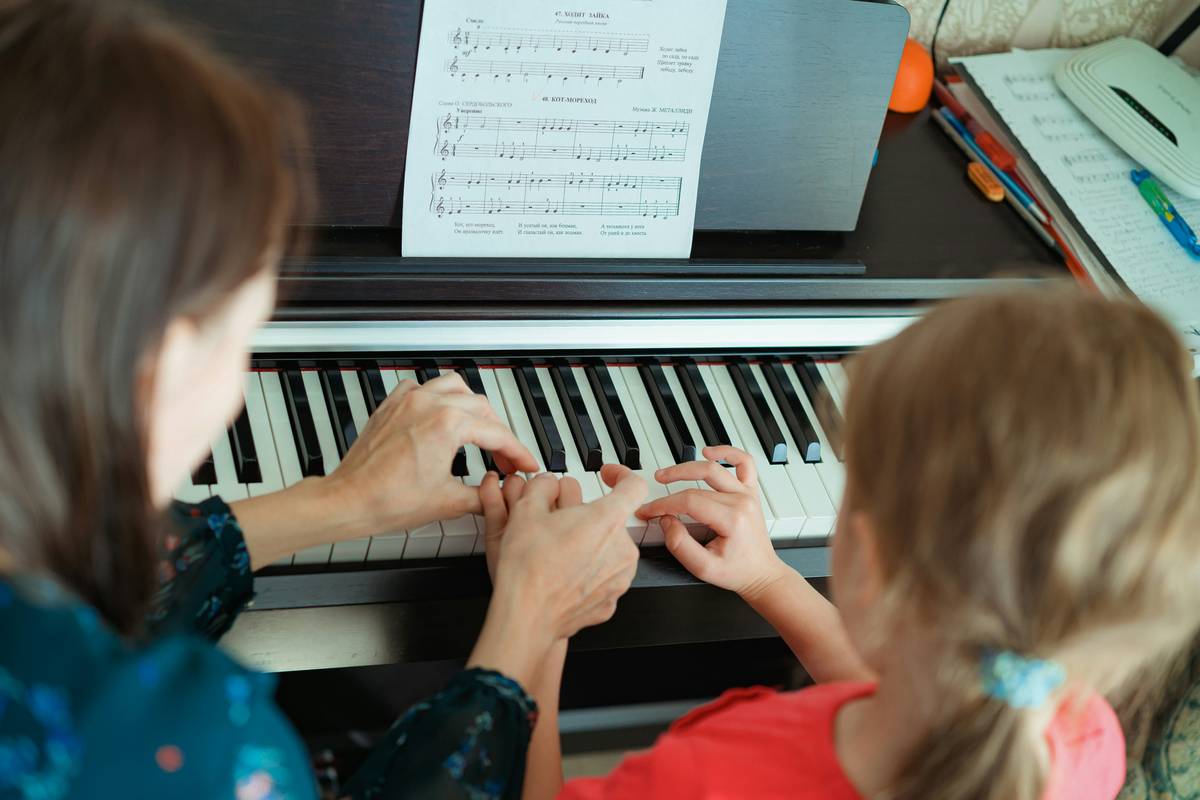
However, many parents mistakenly treat suzuki piano method books like standard method books—jumping straight into notation. That’s where things go wrong. According to the Suzuki Association of the Americas, “The development of ability precedes reading.” Skipping the listening phase undermines the entire philosophy. Without daily audio immersion, students miss the subtle phrasing and dynamics that make music expressive—not just correct.
Step-by-Step Guide to Using Suzuki Books as a Beginner
1. Start with Listening—Before Touching a Key
Play recordings from the official Suzuki repertoire (available via the SAA or Alfred Publishing) for at least 15 minutes daily. Your brain needs to internalize melodies like language phonemes.
2. Master the “Twinkle” Foundation
Book 1 begins with five variations of “Twinkle, Twinkle, Little Star.” Don’t breeze through them. Each variation targets specific techniques: staccato, slurs, rhythms. Spend 2–3 weeks here if needed.
3. Add Parent/Coach Participation
In traditional Suzuki, a parent attends lessons and practices daily with the child. In online settings, designate a “practice partner”—even if they don’t play piano. Their role? Keep time, offer encouragement, and ensure posture stays relaxed.
4. Delay Note Reading Until Book 2
Yes, really. Suzuki prioritizes aural skills first. Introducing note reading too early splits focus. Only introduce staff notation after your student plays 7–10 pieces by ear confidently.
Top Best Practices for Maximum Progress
- Use high-quality recordings: Stick to officially licensed Suzuki tracks—YouTube covers vary wildly in tempo and articulation.
- Film yourself weekly: Compare hand position and wrist height over time. Even small improvements boost motivation.
- Avoid the “Terrible Tip”: Never say “Just press harder for louder notes.” That creates tension. Teach dynamic control through arm weight, not finger force.
- Sync with your online curriculum: At ArtVision, our contact page connects you with certified Suzuki coaches who align digital lessons with physical book progression.
Real-World Success with Suzuki Beginners
A 2022 study published in the Journal of Research in Music Education tracked 120 beginner pianists over 18 months. Those using authentic suzuki piano method books with consistent listening routines showed 37% greater retention of pitch accuracy compared to standard method users. One 8-year-old student in our program went from hesitant single-note plinking to playing “Allegro” (Book 2) in 10 months—all while learning fully online.
This works because the method respects cognitive development. As Dr. Shinichi Suzuki once said, “Teaching music is not my main purpose. I want to make good citizens.” And good musicians start with great foundations—which is why choosing the right suzuki piano method books matters more than fancy keyboards or expensive apps.
Frequently Asked Questions
What’s the difference between Suzuki piano books and regular beginner books?
Suzuki books delay note reading, emphasize listening-first learning, and sequence pieces to build technique incrementally through familiar tunes. Standard books often introduce notation immediately.
Can adults use suzuki piano method books?
Absolutely! While designed for children, adults benefit from the aural foundation—especially if they’ve struggled with “reading-only” approaches in the past.
Do I need all 10 Suzuki piano books at once?
No. Start with Book 1 and the accompanying CD or digital audio. Add subsequent books only when your teacher recommends advancement.
Are there free resources for Suzuki piano audio?
The Wikipedia entry on the Suzuki Method lists official publishers, but avoid unofficial uploads—they often contain tempo errors that confuse ear training.
How do I know if my child is ready for Book 2?
They should play all Book 1 pieces expressively (not just accurately), maintain relaxed posture, and demonstrate steady pulse without a metronome.
Does ArtVision Online follow authentic Suzuki standards?
Yes. Our curriculum adheres to guidelines from the Suzuki Association of the Americas. Learn more on our About Us page—and review our Privacy Policy when sharing student progress videos.
Starting piano shouldn’t feel like deciphering hieroglyphics. With the right mindset—and the right suzuki piano method books—you’re not just learning notes. You’re learning to speak music. Ready to begin? Contact us today for a personalized starter plan.