Ever sat down at a piano, eager to play your favorite song, only to feel completely lost within seconds? You’re not alone. Millions of beginners dive into piano lessons full of enthusiasm—then hit a wall because they’re using outdated or inefficient piano lessons techniques. In today’s online education landscape, especially in arts and crafts learning like piano, the right approach separates frustration from flow. This guide cuts through the noise with practical, tested strategies rooted in real experience—and backed by music education research.
Table of Contents
- Why Technique Matters More Than You Think
- Step-by-Step Guide to Building Solid Foundations
- Best Practices for Consistent Progress
- Real Results from Smart Practice
- Frequently Asked Questions
Key Takeaways
- Poor posture and finger placement sabotage progress faster than lack of talent.
- Slow, mindful repetition beats rushed, error-filled practice every time.
- Digital tools can enhance—but never replace—fundamental technique work.
- Consistency > duration: 15 focused minutes daily outperforms one chaotic hour weekly.
Why Technique Matters More Than You Think
Many beginners believe that playing “by ear” or mimicking YouTube tutorials is enough. But without proper piano lessons techniques, you’re building on sand. Bad habits—like collapsing knuckles, tense wrists, or uneven finger strength—become nearly impossible to fix later. According to the National Association of Music Merchants (NAMM), over 60% of adult beginners quit within six months, often citing physical discomfort or lack of visible progress as key reasons.

I learned this the hard way. Early in my journey, I ignored wrist alignment to “just get through” a Chopin prelude. Within weeks, I developed nagging forearm pain that sidelined me for months. My mistake? Prioritizing repertoire over foundation. Online education platforms like ours at ArtVision Online exist precisely to prevent that trap—teaching arts and crafts with structure, not shortcuts.
Step-by-Step Guide to Building Solid Foundations
1. Master Neutral Posture First
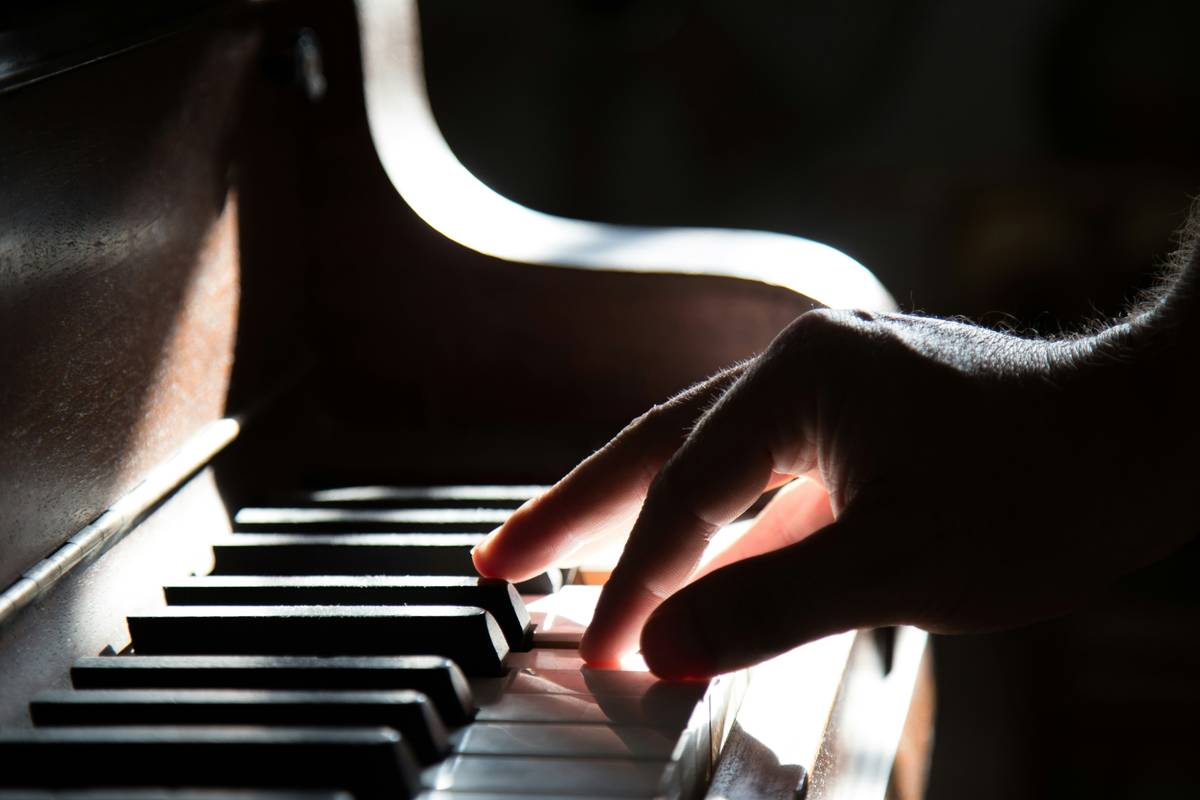
Sit tall, elbows slightly above keyboard level, forearms parallel to the floor. Your fingers should curve naturally—like holding a small orange. No flat palms, no clawed grip.
2. Isolate Finger Independence
Practice “spider walks”: place all five fingers on consecutive white keys (C-G). Lift and press each finger slowly while keeping others relaxed. Repeat 20 times per hand. This builds neural pathways for control.
3. Use a Metronome—Even at 40 BPM
Speed reveals flaws; slowness builds precision. Start painfully slow. If you can’t play cleanly at 50 BPM, you’re not ready for 80. The goal isn’t tempo—it’s consistency.
Best Practices for Consistent Progress
- Warm up every session: 3–5 minutes of scales and arpeggios activate muscle memory.
- Record yourself weekly: Hearing your own timing gaps is humbling—and transformative.
- Avoid “zombie practicing”: If your mind wanders, stop. Mindless repetition wires in mistakes.
- Never skip rests: Tension creeps in when you forget to release notes fully. Practice silence as much as sound.
And here’s a terrible tip you’ll still hear: “Just play songs you love!” While motivation matters, jumping into complex pieces too soon reinforces poor piano lessons techniques. It’s like trying to run before crawling—possible, but unnecessarily painful.
Real Results from Smart Practice
One of our students, Maya, followed these principles for 12 weeks. She practiced just 20 minutes a day, focusing exclusively on posture, finger drills, and simple Hanon exercises. By week 8, she played Bach’s Minuet in G with clean articulation—a piece she’d struggled with for a year using “free” video tutorials. Her secret? Prioritizing piano lessons techniques over repertoire. Research from the University of Kansas supports this: structured technical training improves sight-reading accuracy by up to 40% in beginners (University of Kansas Music Education Department).
Online education shines here. Unlike crowded group classes, digital platforms let you replay posture demos, slow down examples, and track micro-progress—all while respecting your privacy (see our Privacy Policy).
Frequently Asked Questions
How long until I see results with proper piano lessons techniques?
Most beginners notice smoother playing and less fatigue within 2–3 weeks of consistent focus on posture and finger control—not years.
Do I need an expensive piano to practice technique?
No. A weighted-key digital keyboard (88 keys preferred) works fine. What matters is your form, not the instrument’s price tag.
Can I learn piano techniques without a teacher?
You can start solo using structured online courses, but periodic feedback (even via video submission) prevents blind spots. That’s why we offer personalized reviews—reach out anytime.
What’s the biggest mistake beginners make with technique?
Rushing. Speed feels rewarding, but it masks errors. Slow practice builds reliable neural circuits.
Are piano lessons techniques different for kids vs. adults?
Fundamentals are universal, but adults often need more shoulder/wrist tension awareness due to sedentary lifestyles.
How often should I practice technique vs. songs?
Aim for 60% technique drills, 40% repertoire in early stages. Flip that ratio after 6 months.
Great piano playing isn’t magic—it’s method. When you honor the craft with disciplined piano lessons techniques, even simple melodies sound confident and alive. Ready to build skills that last? Contact us for a free consultation and start your journey the right way.
Remember: fingers don’t lie. Train them well, and they’ll sing for decades.