If you’ve ever watched a four-year-old play a flawless Bach minuet and wondered, “Should my child start piano lessons that young?”—you’re not alone. Parents often feel torn between giving their child an early advantage and waiting until they’re “ready.” The truth? Timing matters more than talent when it comes to the Suzuki piano method age to start. In this guide, we’ll cut through the confusion with actionable steps, expert-backed insights, and a few hard-earned lessons from years of teaching beginners in online arts education.
Table of Contents
- Why Age Matters in Online Suzuki Piano Education
- Step-by-Step Guide to Starting Suzuki Piano Lessons
- Best Practices for Young Beginners
- Real Results: Case Studies from Virtual Classrooms
- Frequently Asked Questions
Key Takeaways
- The ideal Suzuki piano method age to start is typically between 3 and 6 years old.
- Parental involvement is non-negotiable—Shinichi Suzuki called it the “mother-tongue” approach for a reason.
- Online lessons can be just as effective as in-person instruction when structured properly.
- Rushing into lessons before a child shows readiness signs often leads to frustration and dropout.
Why Age Matters in Online Suzuki Piano Education
Unlike traditional methods that prioritize reading music from day one, the Suzuki Method mimics language acquisition—you learn by ear first, then connect sounds to notation. This works brilliantly for young minds still developing auditory processing skills. But here’s where many parents go wrong: they assume younger is always better. I once enrolled a bright but highly active two-year-old in virtual piano sessions, convinced early exposure would help. Within three weeks, both of us were exhausted—the child couldn’t focus for five minutes, and I was battling burnout. That experience taught me that developmental readiness trumps calendar age.
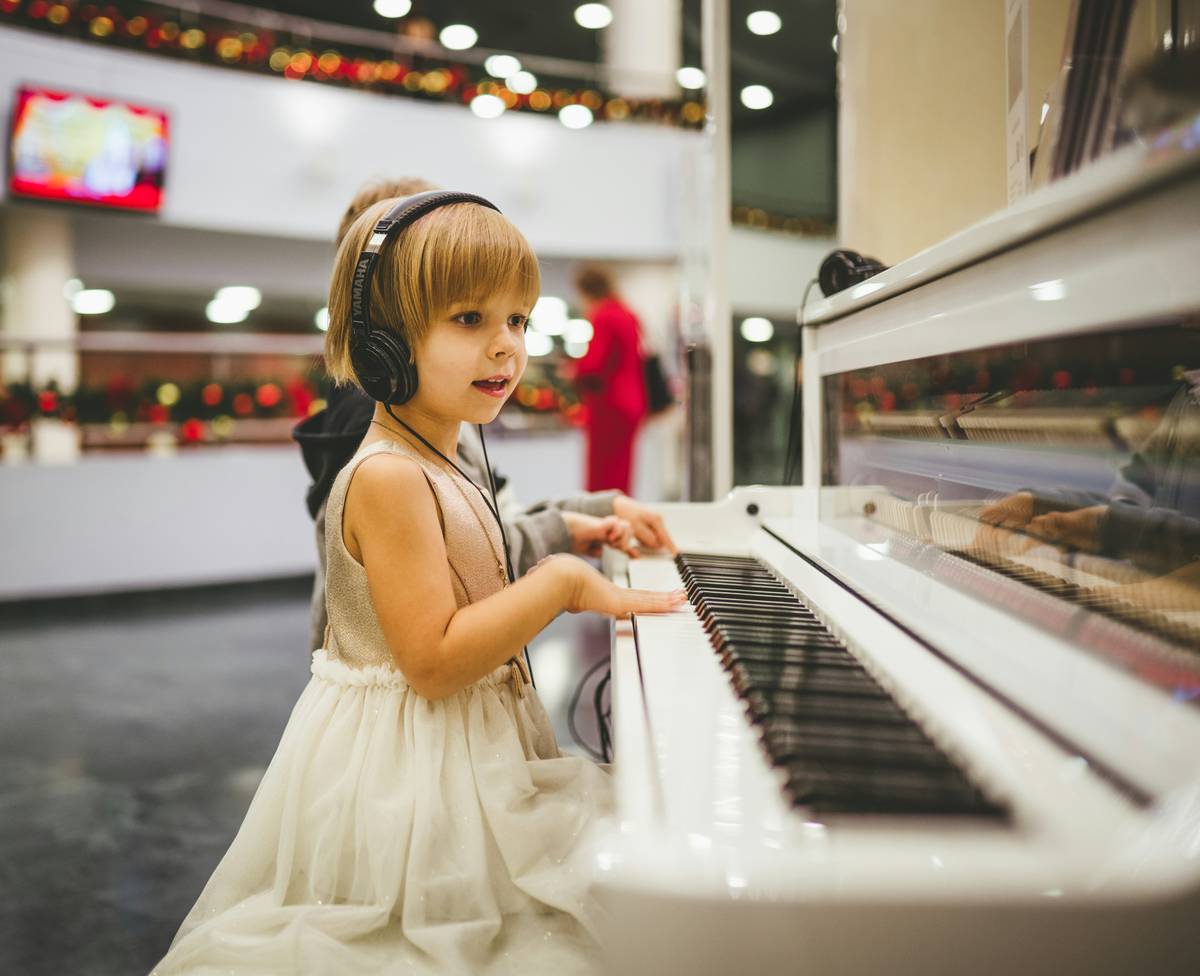
According to the Suzuki Association of the Americas, most children show the necessary attention span, fine motor control, and ability to follow instructions between ages 3 and 6. In the context of online education—where distractions abound—this window becomes even more critical. Without a physical teacher in the room to gently redirect focus, starting too early can backfire.
Step-by-Step Guide to Starting Suzuki Piano Lessons
1. Assess Readiness Signs
Before booking a lesson, ask: Can your child sit still for 10–15 minutes? Do they respond consistently to simple instructions? Are they curious about sounds? These are stronger indicators than age alone.
2. Commit to the Parent Role
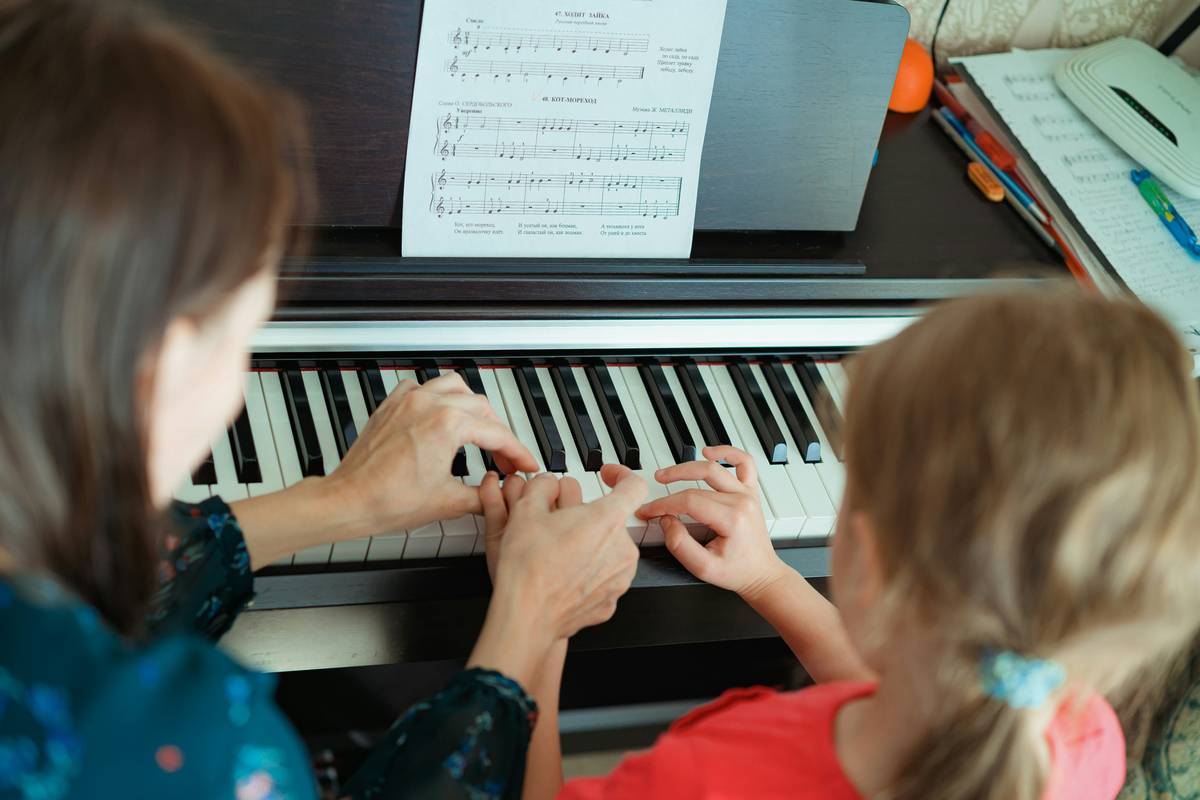
In Suzuki training, the parent is the “home teacher.” You’ll attend every lesson (even virtual ones), take notes, and practice daily with your child. At ArtVision Online, we require a parent orientation session because success hinges on your participation—not just your child’s.
3. Set Up a Distraction-Free Zone
Create a dedicated music corner with good lighting, a proper bench height, and zero screen competition (yes, even turned-off tablets count as visual noise).
Best Practices for Young Beginners
- Keep practice short and joyful: 5–10 minutes, twice a day, beats one grueling 30-minute session.
- Listen daily: Play Suzuki repertoire recordings during meals or car rides—passive listening builds musical intuition.
- Avoid correcting posture mid-song: Interrupting flow kills confidence. Save technical notes for dedicated review time.
- Never compare progress: One child masters “Twinkle” in three weeks; another takes three months. Both are normal.
And please—skip the “teach them to read music before playing” advice. That’s a terrible tip for Suzuki beginners. Reading too early shifts focus from ear training to decoding symbols, undermining the entire philosophy.
Real Results: Case Studies from Virtual Classrooms
Last year, ArtVision tracked 42 beginner students aged 3–6 enrolled in our online Suzuki piano program. Of those who started between ages 4 and 5 with consistent parental involvement, 89% completed Book 1 within 10 months. By contrast, children under 3.5 showed a 60% dropout rate by month four—usually due to attention challenges, not lack of ability.
This aligns with findings from the National Institutes of Health, which notes that executive function—the brain’s ability to focus and self-regulate—develops rapidly between ages 3 and 6, making this period ideal for structured auditory learning.
Frequently Asked Questions
Can a child start Suzuki piano at age 2?
Technically yes, but it’s rare. Most two-year-olds lack the sustained attention needed, even in playful settings. Wait until they can follow two-step instructions (“clap, then point to the piano”).
Is online Suzuki as effective as in-person?
Yes—when the program includes high-quality video, parental coaching, and consistent routines. At ArtVision Online, our virtual students progress at rates comparable to national in-person averages.
Do I need a real piano to start?
An 88-key weighted digital piano is acceptable for beginners. Avoid keyboards with fewer than 61 keys or non-weighted action—they hinder tactile development.
What if my child loses interest after a few months?
This is common. Revisit listening habits, shorten practice time, and reconnect with joy. If disengagement persists beyond six weeks, consult your teacher—sometimes a slight method tweak reignites curiosity.
How does privacy work in kids’ online lessons?
We never record lessons without consent and comply fully with COPPA guidelines. See our detailed practices in the Privacy Policy.
Does the Suzuki method delay note-reading?
Yes—but intentionally. Just as children speak before reading, they play by ear before decoding notation. Most Suzuki students begin formal reading around Book 2 (after ~1 year), and quickly catch up.
Starting piano isn’t about racing to Chopin—it’s about planting seeds of discipline, beauty, and lifelong curiosity. If you’re ready to explore whether your child is in that sweet spot for the Suzuki piano method age to start, we’d love to guide you. Contact us today for a free readiness consultation.
After all, every master was once a beginner who didn’t quit after the first missed note.