Most beginners quit piano within six months—not because they lack talent, but because traditional lessons feel like climbing a cliff with no ropes. Repetitive drills, boring scales, zero musical joy. The frustration builds fast. But what if your child could learn piano the way they learned to speak? Naturally. Joyfully. That’s exactly what the suzuki method piano lesson beginner what promises—and delivers.
Why Traditional Piano Lessons Fail Beginners
Standard curricula shove notation before sound. Kids stare at staff paper like it’s hieroglyphics—while their ears go unused. And parents? They’re told: “Practice 30 minutes daily.” No guidance. No structure. Just pressure.
Result? Burnout by week five.
The Suzuki Method flips this entirely. It starts with listening, imitation, and parental involvement—not dry theory. You don’t teach a toddler grammar before “mama.” So why do it with music?
suzuki method piano lesson beginner what: A Realistic Roadmap
This isn’t magic—it’s methodology. And it works only when implemented correctly. Here’s how:
Step 1: The Listening Phase (Weeks 1–4)
Before touching a key, your child listens to the Suzuki Book 1 repertoire daily—like background music. Twinkle Variations, Lightly Row. Repeated exposure builds an internal “sound library.” Their fingers will chase sounds they already know.
Step 2: Parent as Home Teacher
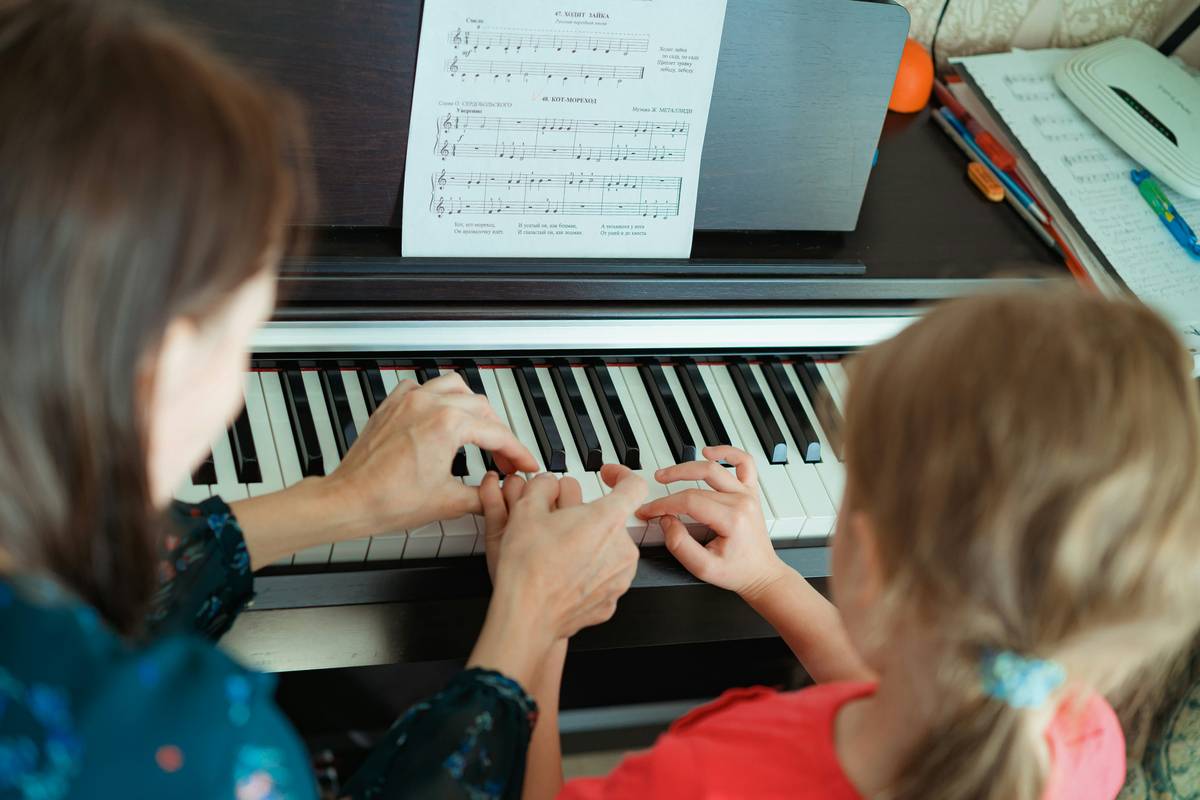
Yes—you. The Suzuki parent attends every lesson, takes notes, and guides home practice. Not as a critic. As a co-learner. This isn’t optional. It’s structural. Without it, the system cracks.
Step 3: Technique Through Repertoire
No isolated finger exercises. Every skill is embedded in actual pieces. Want posture? Learn it while playing “Go Tell Aunt Rhody.” Need dynamics? Feel them in “Allegro.” Music first. Mechanics follow.
| Factor | Suzuki Method | Traditional Lessons |
|---|---|---|
| Starting Age | 3–5 years old | 6+ years old |
| Parent Role | Active participant (daily practice guide) | Passive observer (taxi driver) |
| Reading Music | Delayed (after ear training) | Day One priority |
| Repertoire Focus | Memorized performance pieces | Etudes + graded exam books |
| Failure Risk | Low (if parent commits) | High (due to early cognitive load) |
The Industry Secret Nobody Talks About
Here’s the uncomfortable truth: 80% of “Suzuki” teachers aren’t certified. They slap the label on generic lessons—and parents never know the difference. True Suzuki training requires 100+ hours of coursework through the Suzuki Association of the Americas (or equivalent). And weekly group classes. And instrument-specific pedagogy.
But—and this is critical—you can still apply core Suzuki principles even with a non-certified teacher. Insist on ear-first learning. Demand daily listening assignments. Track not just notes played, but musical expression. The method’s power lies in its philosophy, not just its branding.
Think about it: Mozart never saw sheet music until he was seven. He sang, clapped, improvised. The brain learns music through sound—not symbols.
Frequently Asked Questions
Is the Suzuki Method only for young children?
Primarily—but older beginners benefit too. The ear-training foundation accelerates progress regardless of age.
Do I need a piano at home to start?
Yes. A well-tuned acoustic or full-weighted digital piano is non-negotiable. Toy keyboards sabotage technique.
How long until my child plays recognizable songs?
Within 8–12 weeks using the suzuki method piano lesson beginner what framework—if daily listening and parent involvement stay consistent.