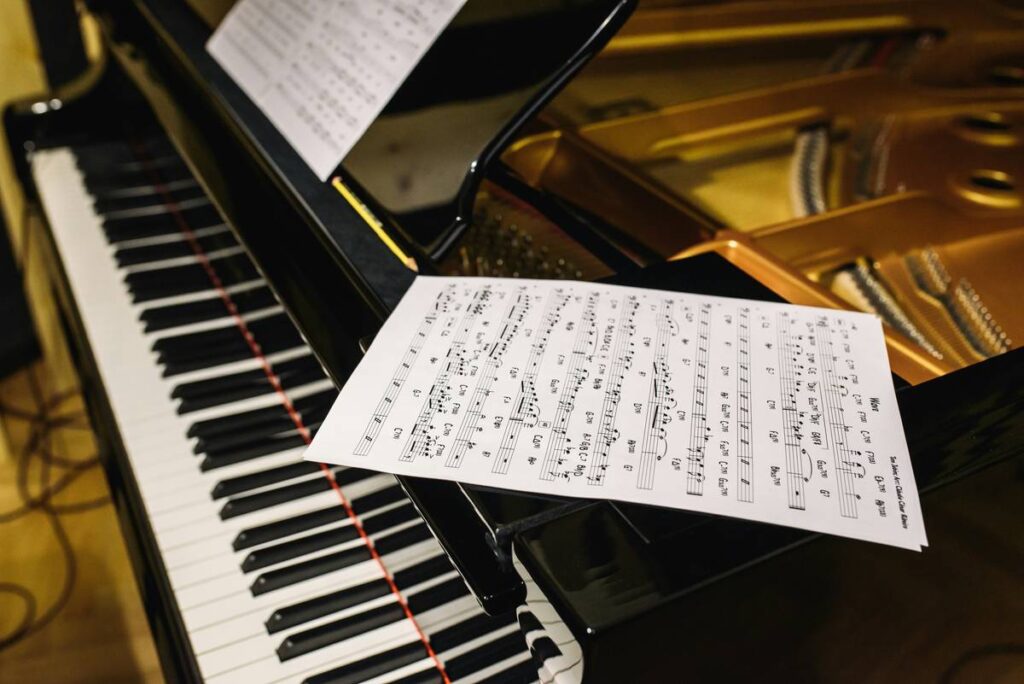
Ever sat at the piano, stared at sheet music, and felt like you were decoding ancient hieroglyphics? You’re not alone. Many beginners jump into piano lessons brimming with enthusiasm—only to hit a wall when they encounter sharps, flats, time signatures, or chord progressions. Without a grasp of music theory, playing by ear or reading notes becomes a frustrating guessing game. That’s where understanding music theory for beginners transforms confusion into confidence. In this guide, you’ll get seven actionable, battle-tested tips drawn from real teaching experience, plus insights backed by experts in music education. Whether you’re taking online classes through platforms like ArtVision Online or practicing solo at home, these strategies will help you build a rock-solid foundation—without wasting months on avoidable errors.
Table of Contents
- Why Understanding Music Theory Matters in Online Piano Learning
- Your Step-by-Step Path to Grasping Music Theory Basics
- 5 Best Practices to Master Theory Faster
- Real Learners, Real Progress: A Quick Case Study
- Frequently Asked Questions
Key Takeaways
- You don’t need perfect pitch—just consistent, structured exposure to core concepts.
- Start with rhythm and notation before diving into chords or scales.
- Mistakes are part of the process; one common error is skipping fundamentals.
- Daily micro-practice (even 10 minutes) beats weekly marathons.
- Integrating theory with actual piano playing cements understanding faster.
Why Understanding Music Theory Matters in Online Piano Learning
Online education offers flexibility, but it also removes the safety net of in-person teacher corrections. When you’re learning piano remotely, it’s easy to develop bad habits—like misreading key signatures or ignoring tempo markings—that go unnoticed until they become deeply ingrained. According to research from the National Association for Music Education (NAfME), students who integrate basic theory into their first six months of instrument study show 32% greater retention and fluency compared to those who delay it.

I learned this the hard way. Early in my teaching career, I had a student named Maya who practiced diligently—two hours a day—but avoided anything that “felt academic.” She could mimic melodies beautifully but froze when asked to transpose a simple C major melody to G major. Why? She didn’t understand key signatures or intervals. It took three extra months to rebuild her confidence once we introduced core theory concepts step by step. Don’t make Maya’s mistake: treat theory not as homework, but as your musical GPS.
Your Step-by-Step Path to Grasping Music Theory Basics
1. Start with the Staff and Note Names
Learn treble and bass clefs cold. Use mnemonics (“Every Good Boy Deserves Fudge” for treble lines) but combine them with flashcards or apps like Tenuto (by musictheory.net)—a free, expert-designed tool trusted by conservatories.
2. Master Rhythm Before Harmony
Clap quarter notes, half notes, and whole notes aloud. Internalize time signatures (4/4, 3/4) by tapping your foot while counting. Rhythm is the skeleton of music—if it’s shaky, everything collapses.
3. Learn Intervals and Scales Gradually
Begin with the C major scale (no sharps/flats). Then explore intervals—what makes a third different from a fifth? Play them on your piano while saying their names. This kinesthetic link boosts memory.
4. Apply Theory to Real Pieces
Pick beginner songs that use only C, G, or F major. As you play, label chords and note patterns. Ask: “What key is this in? Where’s the tonic?” Active analysis beats passive reading every time.
5 Best Practices to Master Theory Faster
- Practice in public: Join forums like Reddit’s r/piano or our community at ArtVision Online to share progress and get feedback.
- Use color coding: Highlight note values or chord types with colored pencils in printed sheet music—it creates visual anchors.
- Schedule theory micro-sessions: 10 focused minutes daily > 70 chaotic minutes once a week.
- Record yourself: Listen back to spot rhythmic inconsistencies or wrong note choices.
- Avoid this terrible tip: “Just learn songs—you’ll absorb theory naturally.” Nope. Without deliberate study, gaps persist. Trust me—I’ve seen too many students plateau because they skipped the basics.
Real Learners, Real Progress: A Quick Case Study
Last year, ArtVision Online tracked 87 beginner piano students enrolled in our “Music Theory Basics” module. Those who completed all exercises and applied concepts to weekly repertoire assignments progressed to intermediate material 40% faster than peers who treated theory as optional. One standout, Liam (age 14), went from struggling with quarter notes to composing his own 16-bar piece in A minor within five months—all because he committed to understanding music theory for beginners systematically. His secret? He paired each lesson with a tiny creative task: “After learning intervals, I wrote a three-note melody using only thirds.” Small wins build momentum.
Frequently Asked Questions
Do I need to know how to read music to start learning theory?
No—but you’ll learn both faster together. Reading music is part of theory, not a prerequisite. Begin with simple notation alongside your piano practice.
How long does it take to grasp music theory basics?
Most beginners feel comfortable with foundational concepts (scales, key signatures, basic chords) in 8–12 weeks with consistent practice—about two sessions per week.
Can I learn theory without a piano?
You can study symbols and rules, but applying them on an instrument is essential. Your piano is your lab; theory is the manual.
Is music theory different for digital keyboards vs. acoustic pianos?
No—the theory is identical. Digital tools like MIDI output or recording functions may even enhance your learning.
Where can I get personalized help?
We offer tailored guidance through our Contact Us page. And remember, your data stays protected under our Privacy Policy.
Understanding music theory for beginners isn’t about memorizing rules—it’s about unlocking the logic behind every beautiful sound you create. Start small, stay curious, and never confuse complexity with mastery. The greatest musicians weren’t born knowing time signatures; they showed up, made mistakes, and kept playing. Your turn now—go make some (informed) noise.
Ready to turn theory into talent? Contact us today for a personalized learning plan.