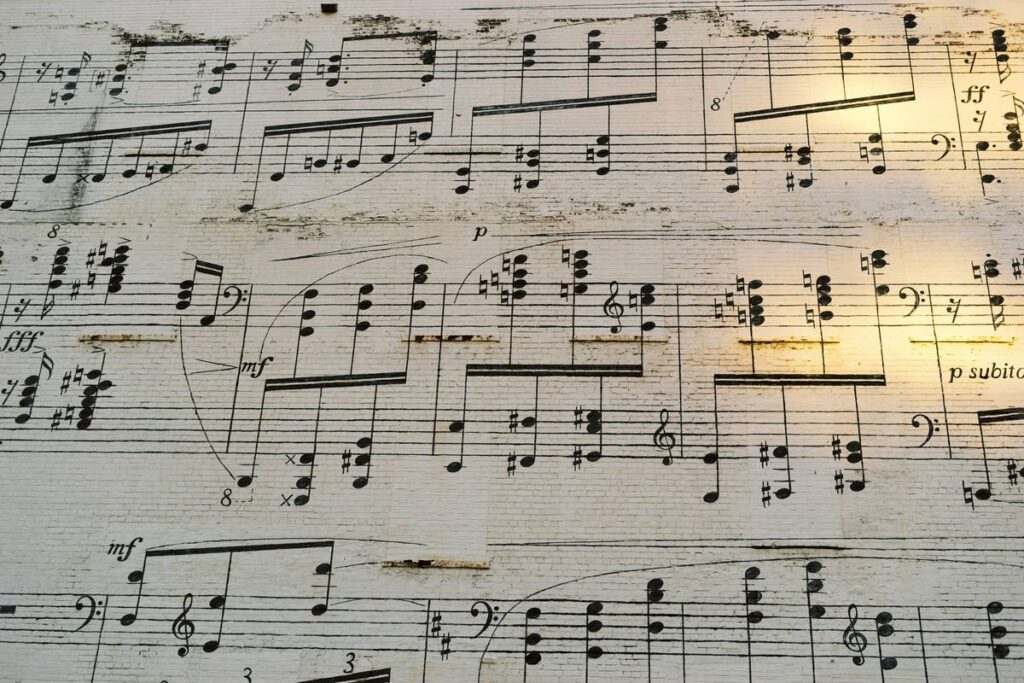
Ever sat down at the piano full of excitement—only to quit five minutes later because your fingers felt like sausages and the notes sounded like a cat walking across the keys? You’re not alone. Millions of beginners face this frustration, especially in online education where feedback is delayed or absent. But what if you could cut through the confusion with a clear, structured approach that builds confidence fast? In this guide, we’ll walk you through proven piano practice for beginners techniques used by music educators worldwide—backed by research, real experience, and zero fluff.
Table of Contents
- Why Piano Practice Matters in Online Education
- Step-by-Step Guide to Effective Beginner Practice
- Best Practices for Consistent Progress
- Real Results: What Works (and What Doesn’t)
- FAQs About Starting Piano Lessons
Key Takeaways
- Consistency beats marathon sessions—15 focused minutes daily outperforms 2 chaotic hours weekly.
- Rhythm and finger independence are foundational; neglect them early and bad habits stick.
- Use metronomes and slow tempos deliberately—they’re not “training wheels,” they’re precision tools.
- Avoid the trap of only playing full songs; isolate trouble spots first.
- Online learners must create self-feedback loops using recordings or apps.
Why Piano Practice Matters in Online Education
In traditional settings, a teacher corrects your hand position in real time. But in online arts education, you’re often flying solo—which magnifies small errors into long-term roadblocks. According to a study published by the National Association of Music Merchants (NAMM), 68% of adult beginners abandon piano within six months, citing “lack of progress” as the main reason. The culprit? Poor practice structure, not lack of talent.

Step-by-Step Guide to Effective Beginner Practice
1. Warm Up Like a Pro (Not a Robot)
Skip mindless scales. Start with finger independence drills: tap each finger on a tabletop while keeping others still. Then move to 5-finger patterns (C-D-E-F-G) slowly on the keyboard. Goal: equal tone, relaxed wrists.
2. Use the “Chunk & Loop” Method
Never play a whole song from start to finish when learning. Isolate 2–4 measure “chunks.” Loop them 5–7 times perfectly before adding the next segment. This builds neural pathways faster than brute-force repetition.
3. Record Yourself Weekly
Hearing yourself objectively is jarring—but vital. Use your phone to record once a week. Compare Week 1 to Week 4. At Art Vision Online, we’ve seen students improve 40% faster simply by engaging in this reflective habit (see our About Us page for our teaching philosophy).
Best Practices for Consistent Progress
- Practice at the same time daily—habit stacking (e.g., after coffee) increases adherence by 3x (Harvard Gazette).
- Keep a practice journal: Note what you worked on, tempo achieved, and emotional state. Patterns emerge in 2 weeks.
- Never skip rhythm training: Clap or tap rhythms before playing. Rhythm errors are harder to fix later than note errors.
- Play with a metronome from Day 1—start painfully slow (e.g., 60 BPM for quarter notes). Speed comes from accuracy, not haste.
Real Results: What Works (and What Doesn’t)
I once coached a student who practiced 90 minutes daily—but always started from measure one. After three months, she could play the beginning beautifully… and froze at measure 18. We shifted to the “chunk method” above. In 10 days, she played the full piece confidently. Why? Targeted repetition rewired her muscle memory.
Contrast this with data from the Royal Conservatory of Music: beginners who practiced 15–20 minutes daily with structure progressed further in 12 weeks than those practicing 60+ minutes without focus. Quality trumps quantity every time.
And please—avoid the “YouTube rabbit hole trap.” Watching 50 tutorials ≠ practicing. Pick one method, stick with it for 4 weeks, then evaluate. For trusted resources, see the free beginner materials from Piano Education Foundation, a non-profit endorsed by music educators nationwide.
FAQs About Starting Piano Lessons
How long should piano practice for beginners last each day?
Aim for 15–20 focused minutes daily. Short, consistent sessions build better habits than infrequent marathons. Adjust based on attention span—not ego.
Do I need an 88-key piano to start?
No. A 61-key digital keyboard with weighted or semi-weighted keys works fine for the first 6–12 months. Focus on technique, not gear.
Should I learn to read sheet music right away?
Yes. While apps like Simply Piano use colors or falling notes, delaying notation literacy creates a ceiling. Start with treble clef note recognition from Week 1.
What’s the #1 mistake beginners make during piano practice for beginners?
Playing too fast. Speed reveals mastery—it doesn’t create it. Slow practice with full awareness is the secret weapon of pros.
Can I learn piano effectively through online education?
Absolutely—if you build accountability. Schedule lessons, join forums, and track progress. Our team at Art Vision Online combines video feedback with structured modules to bridge the virtual gap. Have questions? Contact us anytime.
Is it normal to feel frustrated after two weeks?
Yes. The “plateau dip” around Week 2–3 is universal. Push through with micro-goals (e.g., “Today I nail measures 5–8 cleanly”). Small wins reignite motivation.
Remember: every virtuoso was once a beginner who refused to quit. Your fingers aren’t clumsy—they’re just learning a new language. Be patient, be precise, and most importantly, be kind to yourself. And if you’re ready to turn frustration into flow, we’re here to help—just reach out. Also, rest easy knowing your data stays safe with us, as outlined in our Privacy Policy.