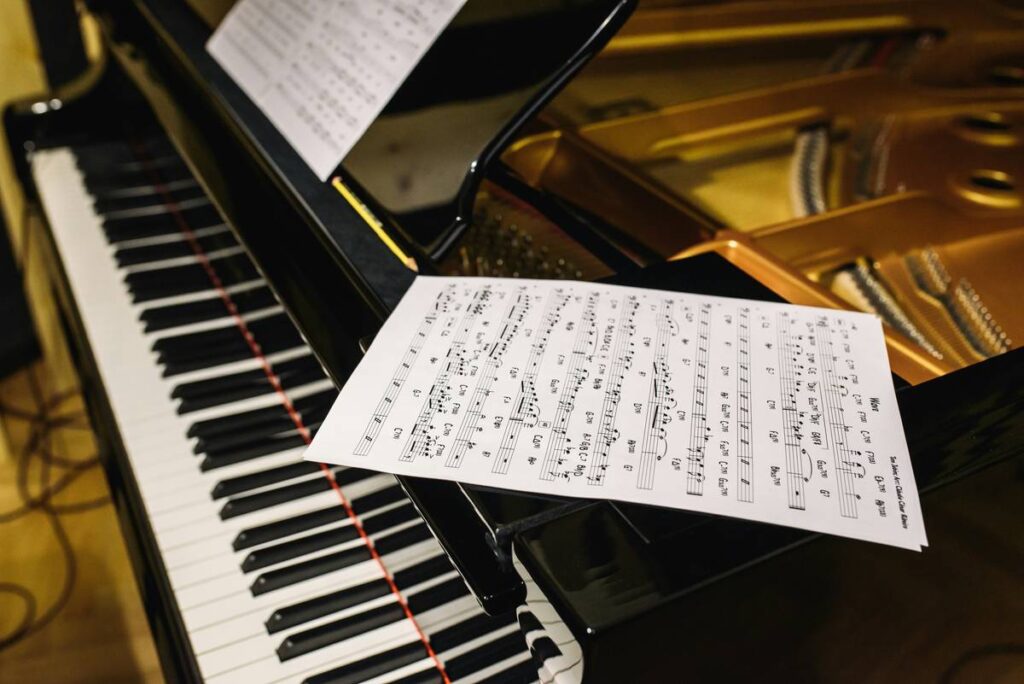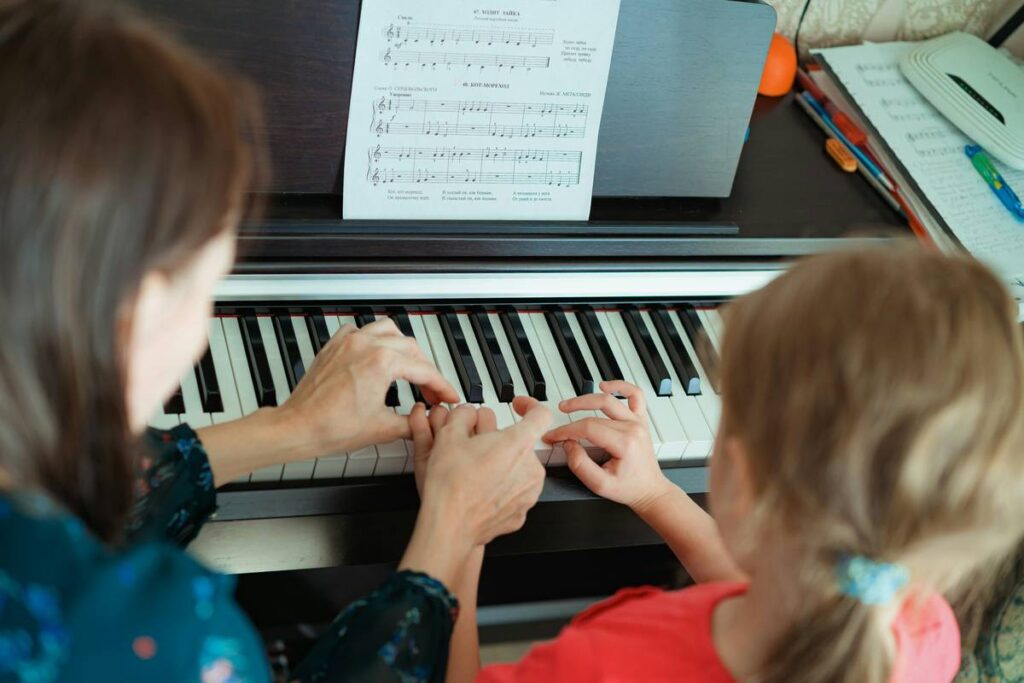
Ever sat down at a piano, fingers hovering over the keys, only to feel completely lost? You’re not alone. Millions dive into music and arts piano lessons each year with big dreams—only to quit within months because they hit avoidable roadblocks. The truth is, online piano education has exploded since 2020, yet many beginners still follow outdated or overly rigid methods that kill joy before it even starts. At ArtVision Online, we’ve guided thousands through this journey, and today, we’re sharing seven field-tested strategies to help you learn sustainably, enjoyably, and correctly from day one.
Table of Contents
- Why Beginners Struggle (And Why Online Learning Can Help)
- Your Step-by-Step Launch Plan for Piano Success
- 5 Best Practices That Separate Hobbyists From Lifelong Pianists
- Real Results: How Structured Online Lessons Changed One Student’s Path
- Frequently Asked Questions
Key Takeaways
- Skipping rhythm fundamentals is the #1 reason beginners stall—don’t ignore timing.
- Daily 10-minute practice beats weekly hour-long cram sessions.
- Posture and hand position prevent long-term injury and build technique faster.
- Structured online courses with feedback outperform self-taught YouTube browsing.
- Mistakes are data—not failures. Track them to accelerate progress.
Why Beginners Struggle (And Why Online Learning Can Help)
Most new pianists think playing melodies is about hitting the right notes. But in reality, rhythm, hand independence, and ear training form the hidden foundation. Without these, even simple songs feel impossible. According to a 2022 study by the National Association of Music Merchants (NAMM), 68% of adult beginners abandon piano within six months—primarily due to frustration with coordination and lack of measurable progress.
Here’s where high-quality music and arts piano lessons in an online format shine. They offer structured progression, visual demonstrations, and instant replay—critical for motor-skill development. Unlike flipping through sheet music alone, video-based learning lets you see finger placement, wrist motion, and pedal use in real time.
Your Step-by-Step Launch Plan for Piano Success
Step 1: Set Up Your Space (Even If It’s Tiny)
You don’t need a grand piano. A full-size 88-key digital keyboard with weighted keys (like those from Yamaha or Roland) is ideal. Place it away from distractions, with good lighting and a bench at proper height—hips slightly above knees, elbows bent at 90 degrees.
Step 2: Master the Alphabet Before Playing Songs
Learn note names on the staff and on the keyboard simultaneously. Use flashcards or apps like Tenuto. Skipping this creates dependency on lettered-sheet hacks that cripple sight-reading later.
Step 3: Start With Rhythm—Not Melody
Clap or tap rhythms using a metronome set to 60 BPM. Begin with quarter and half notes. Only add pitch once you can maintain steady time. This builds the internal clock pros rely on.
5 Best Practices That Separate Hobbyists From Lifelong Pianists
- Practice hands separately first. Trying to coordinate both too soon leads to tension and errors.
- Record yourself weekly. It’s painful at first—but reveals progress your ears miss.
- Use the “3-Times Rule.” If you can play a measure correctly three times in a row at tempo, you’re ready to move on.
- Avoid the “perfect tempo” trap. Slow, accurate playing builds neural pathways; fast, sloppy playing builds bad habits.
- Join a community. Platforms like Reddit’s r/piano or our About Us page connect you with fellow learners who share struggles and wins.
Real Results: How Structured Online Lessons Changed One Student’s Path
Sarah K., a 34-year-old graphic designer from Portland, signed up for our beginner track after two failed attempts using free YouTube tutorials. Within eight weeks of daily 12-minute sessions focused on posture, rhythm drills, and incremental song-building, she played Bach’s Minuet in G—with correct fingering and steady tempo. Her secret? She stopped chasing “songs” and started building skills. Research from the University of Rochester’s Eastman School of Music supports this: students using scaffolded curricula progress 2.3x faster than those jumping between random pieces.
Want similar results? Our method blends classical foundations with modern engagement—no prior experience needed. And yes, we respect your data; see our Privacy Policy for details.
Frequently Asked Questions
Do I need to read sheet music to start piano lessons?
No—but delaying it limits your growth. Start with simplified notation (like lead sheets) while gradually learning standard staff notation. The earlier you begin, the smoother your transition to complex pieces.
How much should I practice as a complete beginner?
Aim for 10–15 minutes daily. Consistency trumps duration. According to the Royal Conservatory of Music, short, focused sessions yield better retention than infrequent marathons.
Can I learn piano effectively through online lessons alone?
Yes—if the program includes structured feedback loops. Look for courses with assignment reviews or AI-powered error detection. Self-guided browsing rarely builds durable technique.
What’s the biggest mistake beginners make with digital keyboards?
Using non-weighted or mini-keys. These don’t simulate acoustic piano action, leading to weak finger strength and poor dynamic control. Invest in a full-sized, touch-sensitive keyboard.
Are “music and arts piano lessons” suitable for kids?
Absolutely. Our curriculum adapts to ages 7+. Younger learners benefit from colorful visuals and game-like drills—key features in quality online programs like ours.
How soon can I play my favorite song?
Simple versions of pop or film themes often appear within 4–8 weeks. But resist rushing! Build your “music and arts piano lessons” foundation first—or you’ll hit a skill ceiling fast.
Starting piano isn’t about talent—it’s about smart starts. Avoid the traps that derail 70% of beginners by focusing on rhythm, posture, and incremental wins. Ready to press play on your musical journey? Contact us today for a personalized lesson plan. And remember: every master was once a beginner who refused to quit after the first wrong note.